


Ergonomics
Optimise existing work situations to support performance at the workstation and prevent health risks for your teams.

Key challenges
–
Identify ways to improve and optimise work situations, with the aim of adapting work to people. Reduce strain, protect the health of your teams and achieve lasting improvements in workstation performance.
–
Good to know : This approach may be eligible for funding from the FIPU fund : learn more.
Our approach :
Comprehensive ergonomic expertise
Our ergonomists work on a wide range of issues and sectors, with an approach tailored to each working environment.
Analysis close to the field
Observation of real activity, discussions with teams and analysis of strain factors to understand what is really at play at the workstation.
Objective findings
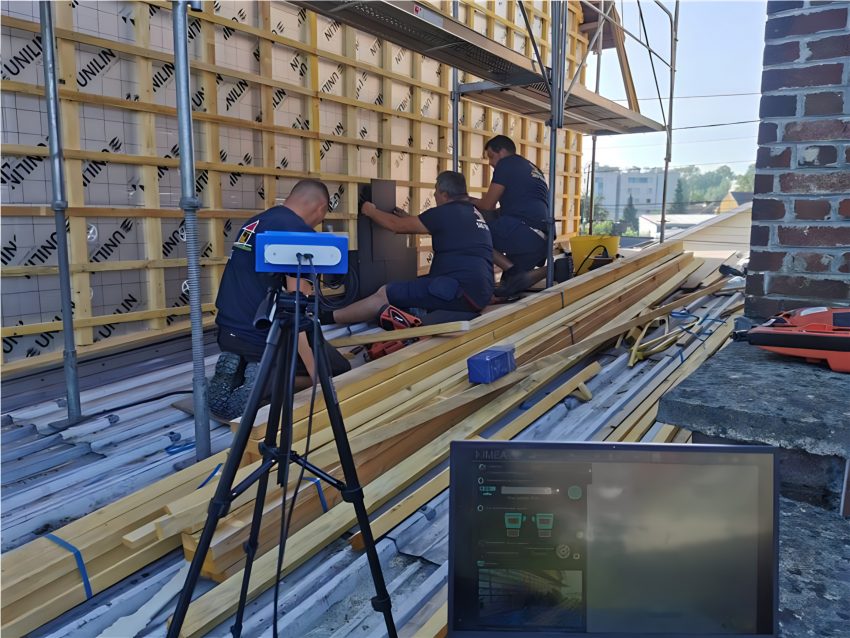
Where the situation calls for it, our ergonomists draw on KIMEA to complement their expertise with objective biomechanical data.
Practical solutions
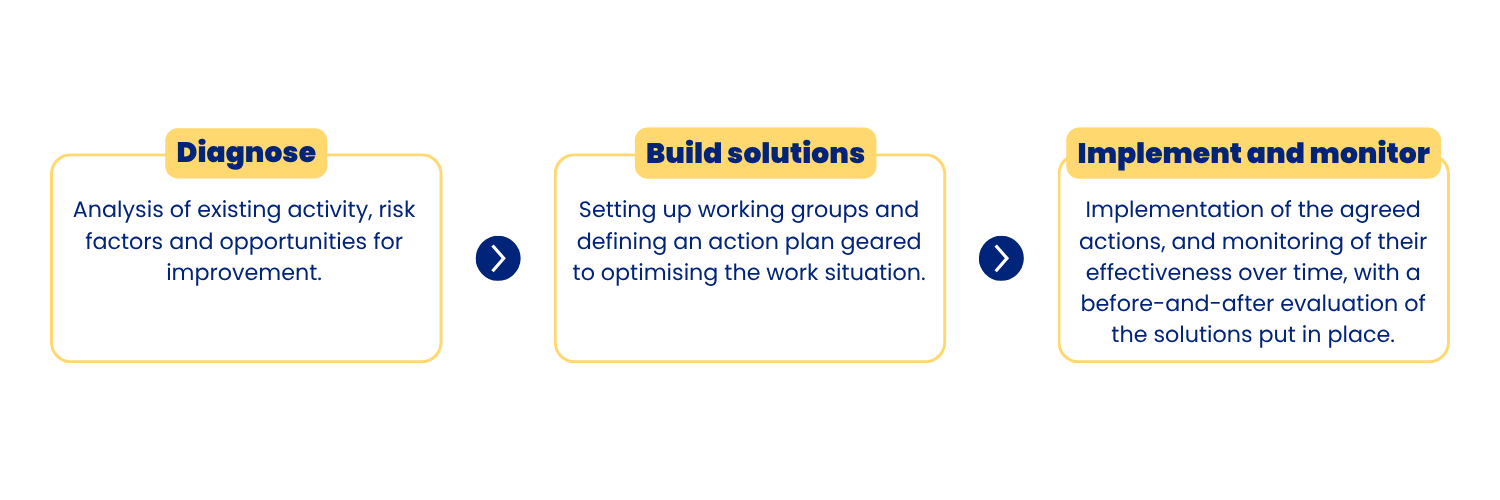
Our support doesn’t stop at diagnosis: we work with your teams to identify, implement and follow up on improvements.
Our methodology :
Key deliverables :
Identified, objectively assessed risks
Clear priorities for action
Solutions suited to real work activity
An action plan you can use straight away
Powered by KIMEA
Quantification and objective assessment of the biomechanical risk factors for MSDs
Ergonomist Insight
Observing real work activity helps us understand what happens at the workstation, but it is not always easy to convince people. The biomechanical data from KIMEA provides objective benchmarks on postures, forces and their duration. It supplies scientific evidence and helps you choose your priorities.
But to fully understand a work situation, it is essential to look beyond biomechanical strain alone. We also seek to identify other risk factors, so as to carry out a comprehensive, representative study that stays as close as possible to the reality on the ground.
Once solutions are in place, comparing assessments before and after confirms that they genuinely reduce strain and that the risk has not simply been moved elsewhere.